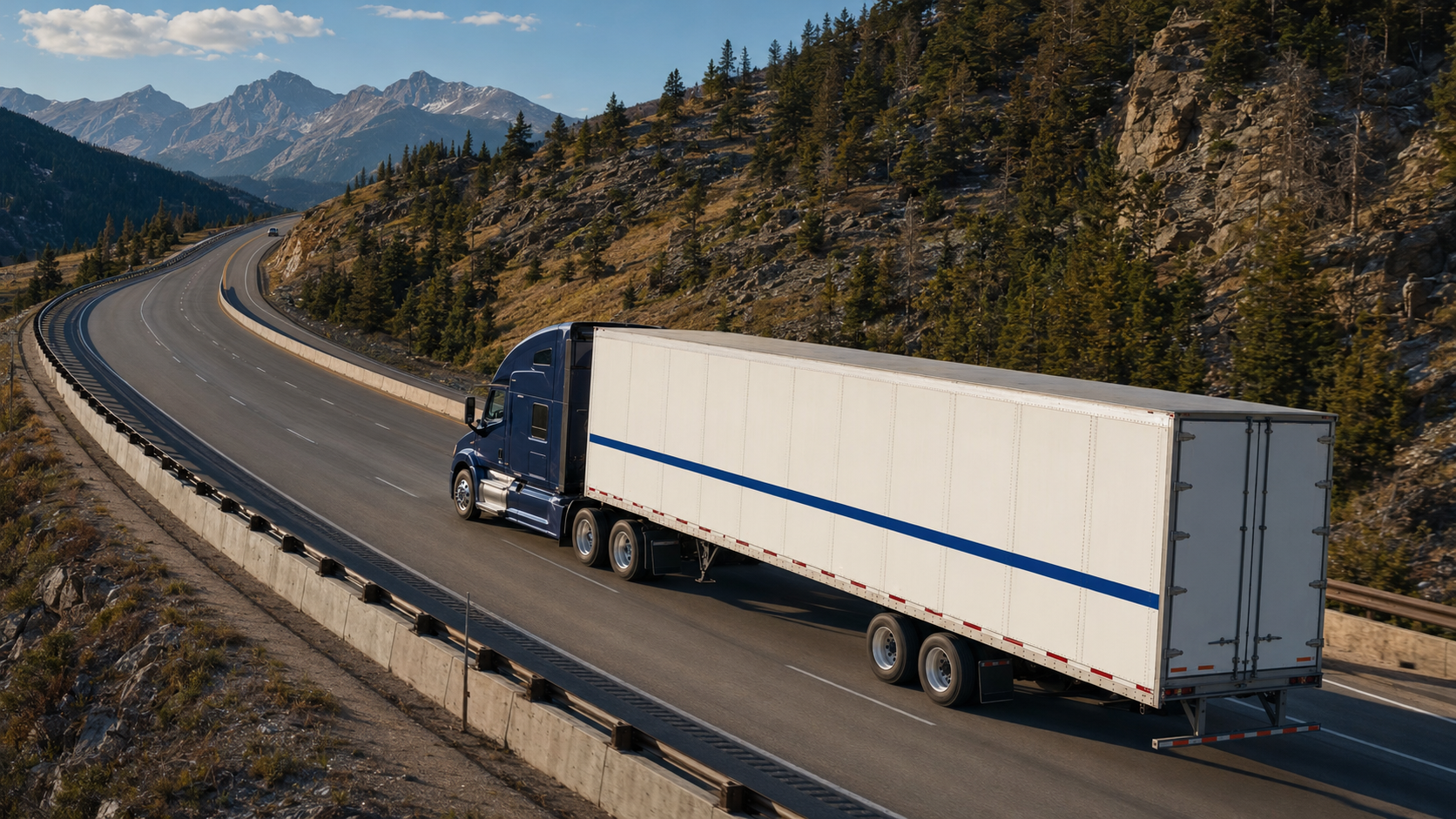
Transitioning from Company Driver to Owner-Operator
Becoming an owner-operator is one of the biggest moves a CDL-A driver can make.
Done right, it can mean higher income, more control, and long-term independence.
Done wrong, it can turn into stress, debt, and burnout — fast.
The difference isn’t luck. It’s preparation.
Here’s what professional drivers should realistically consider before making the jump.
1. Know Why You Want to Make the Move
Going owner-operator just to “make more money” is risky.
Strong reasons include:
-
Wanting control over freight and lanes
-
Long-term business ownership goals
-
Willingness to manage finances and risk
-
Comfort with variable income
If you hate paperwork, budgeting, or uncertainty, staying a company driver may actually be the smarter financial move.
There’s no ego in choosing stability.
2. Understand the Real Costs (Not Just the Truck)
The truck payment is only the beginning.
Common owner-operator expenses:
-
Truck payment or lease
-
Fuel
-
Insurance
-
Maintenance & repairs
-
Tires
-
Plates & permits
-
Accounting & compliance
-
Downtime reserve
Successful owner-operators plan for bad months before they happen.
If you don’t have a maintenance fund, you’re gambling — not running a business.
3. Cash Flow Matters More Than Gross Pay
Many first-time owner-operators fail while grossing big numbers.
Why?
Because cash flow kills or saves you, not revenue screenshots.
You need:
-
Emergency reserves
-
Clear weekly cost breakdowns
-
Discipline during strong weeks
Profit is what’s left after the truck stops rolling.
4. Choose the Right Truck (Boring Is Smart)
Your first truck shouldn’t be flashy.
It should be:
-
Reliable
-
Easy to service
-
Well-documented
-
Supported nationwide
A “cool” truck with frequent downtime will erase profits faster than a high payment.
Smart owner-operators buy stability, not Instagram likes.
5. Lease-On vs Running Under Your Own Authority
This decision defines your workload.
Lease-on options:
-
Lower admin burden
-
Faster startup
-
Less compliance stress
-
Less control, lower margins
Own authority:
-
Higher upside
-
Full control
-
More responsibility
-
Slower, more complex startup
There’s no universal right answer — only what fits your risk tolerance and experience level.
6. Freight Selection Is Everything
Owner-operators don’t win by chasing “hot loads.”
They win by:
-
Running consistent lanes
-
Understanding deadhead costs
-
Managing fuel efficiency
-
Avoiding cheap freight that burns time
Stability beats volatility long-term.
7. Taxes and Structure Matter Early
Many drivers wait too long to get this right.
Before starting:
-
Talk to a trucking-savvy accountant
-
Choose the right business structure
-
Plan quarterly taxes
-
Track expenses from day one
The IRS doesn’t care if you’re “new.”
8. Your Network Will Decide Your Outcome
Owner-operators who succeed rarely do it alone.
They rely on:
-
Good dispatch support
-
Reliable maintenance contacts
-
Trusted brokers or carriers
-
Industry knowledge sources
Isolation is expensive.
Final Thought
Transitioning from company driver to owner-operator is not a shortcut — it’s a career shift.
Drivers who treat it like a business build freedom.
Drivers who rush it build pressure.
Preparation wins every time.
And for fleets, partnering with well-prepared owner-operators — or helping drivers transition responsibly — creates stronger, longer-term relationships.
For CDL-A drivers considering the next step, the best opportunities come from clarity, not hype.