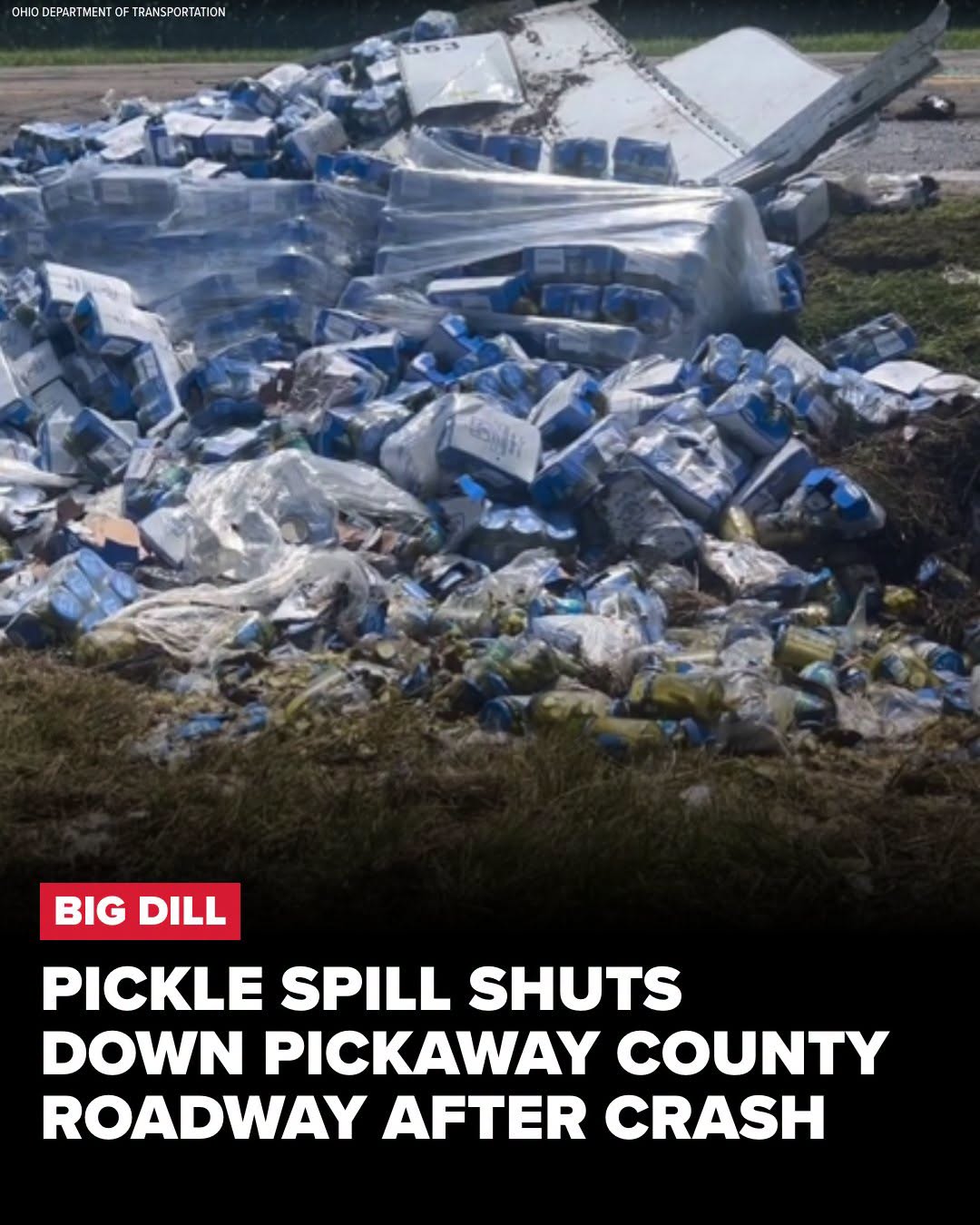
Every OTR driver knows the feeling. You're 300 miles from anywhere, running fine, and a DEF sensor throws a code. Then the countdown starts. Then the truck derates — power cut, speed capped, sometimes down to a crawl — and you're limping to a shop with a load on board and a delivery window evaporating behind you.
The EPA is proposing to end that.
On July 9, 2026, the agency unveiled a proposal that would eliminate DEF-related engine deratements entirely. Public hearings are scheduled for July 29 and 30 — next week — and the comment window closes August 29. If you've ever been stranded by an emissions system, this is the rulemaking to pay attention to.
Here's what's actually in it, what it means for your truck and your wallet, and what the other side is saying.
What "Limp Mode" Actually Does to a Driver
For anyone who hasn't lived it: modern diesel engines are required to reduce power when the Diesel Exhaust Fluid system reports a fault. DEF system failures can force trucks and farm equipment into "limp mode" by reducing their speed to just five miles per hour. Fox News
Five miles per hour. On a truck. Sometimes triggered by a sensor that's reading wrong rather than an actual emissions problem.
The consequences stack fast: a missed delivery window, detention you don't get paid for, a tow bill, shop time, a load that has to be recovered, and a customer relationship that takes the hit. For an owner-operator, one bad derate can cost thousands between the repair and the lost revenue.
That's the problem the proposal is aimed at.
What the EPA Is Actually Proposing
The proposal covers model year 2027 and later heavy-duty highway engines, plus DEF-related requirements for newly manufactured equipment.
1. Eliminating deratements. Under the newly proposed framework, the EPA plans to completely eliminate engine "deratements" — the automatic, abrupt power reductions. The document replaces mandatory power and speed reductions with visible or audible alerts. AOLWLT Report
In plain terms: instead of the truck cutting your power, you'd get a warning light or a chime telling you to get the system serviced. You'd still need to fix it — but you'd be able to finish the run and get to a shop on your terms instead of the truck's.
2. Scaling back emissions warranty requirements. EPA is specifically proposing to scale back the emissions warranty requirements that added the largest single cost to the trucking industry. This is where most of the projected savings come from. US EPA
3. More lead time on useful-life rules. EPA is proposing additional lead time before the longer regulatory useful life requirements from the 2023 rule take effect, to allow manufacturers to ensure new technologies perform reliably under real-world conditions rather than rushing unproven products to market. US EPA
4. Temporary nonconformance penalties. To prevent supply chain bottlenecks while factories adjust, the EPA is introducing temporary nonconformance financial penalties. This allows manufacturers to continue selling certain heavy-duty diesel engines that cannot immediately hit the new NOx standards, preventing production standstills. AOL
5. Keeping the underlying standards. The proposal maintains the underlying emission standards, including nearly 90% of the NOx reductions from the 2023 rule. US EPA
The Money: $12 Billion, or $6,000 Per Truck
EPA estimates that its proposed changes could reduce the cost of new trucks by as much as $6,000 and save American truckers $12 billion in overall costs. Trucking Association
For an owner-operator or small fleet buyer, $6,000 off a new truck is real money — especially stacked against the current equipment market where new sleepers are running well north of $175,000. And it lands alongside the separate bipartisan effort in the Senate to repeal the 12% federal excise tax on new trucks. If both moved forward, the combined effect on new equipment pricing would be significant.
ATA President and CEO Chris Spear joined EPA Administrator Lee Zeldin for an event on the National Mall to mark the announcement. ATA had sent a letter to EPA earlier this year requesting modifications, arguing the existing NOx rule threatened to cause major operational disruptions and significantly increase equipment costs. Trucking Association
This Didn't Come Out of Nowhere
The proposal caps a series of EPA actions on diesel aftertreatment systems over the past year. The agency issued software update guidance in August 2025 to curb deratements in existing fleets, subpoenaed DEF reliability data from 14 major manufacturers in February 2026, and reaffirmed "Right to Repair" provisions allowing operators to fix their own machinery. AOL
In March 2026, EPA guidance clarified that manufacturers can stop inaccurate DEF system failures by removing traditional emission sensors and switching to NOx sensors. That change is already flowing to existing trucks — trucks manufactured after 2018 can go to Kenworth and Peterbilt dealerships to have updated software installed, with the OEM rolling it out across more than 300,000 vehicles. US EPA
If you're driving a post-2018 Kenworth or Peterbilt, that's worth asking your carrier or your dealer about now — it's available today, independent of whether the larger rule is finalized.
What the Other Side Says
This is a contested rulemaking, and drivers deserve the full picture.
Environmental groups argue the proposed changes will increase pollution and harm public health. "This Trump EPA proposal to weaken vital clean air protections will mean more health harms and higher costs," said the Environmental Defense Fund in a statement. AgWeb
The core disagreement: EPA maintains the proposal preserves roughly 90% of the projected NOx reductions while removing compliance mechanisms it considers unworkable. Critics counter that the remaining 10% represents real emissions — NOx being a primary contributor to smog and respiratory illness — and that weakening warranty and useful-life requirements will mean systems degrade faster in the field than the models assume.
EPA Administrator Lee Zeldin defended the changes, arguing the existing standards placed unrealistic demands on manufacturers and risked reducing the availability of commercial vehicles while driving up prices across the industry. Agriculture and small business groups voiced strong support, citing years of supply chain disruptions caused by over-sensitive emissions equipment. yourNEWSTampafp
Both concerns are legitimate on their own terms. Where you land probably depends on whether you've spent a night in a truck stop parking lot waiting on a DEF sensor.
What Drivers Should Actually Do About It
Here's the part most coverage skips: this is a proposal, not a final rule — and the public comment process is genuinely open.
The proposal is not final. Comments are due by August 29, 2026, and virtual public hearings are scheduled for July 29 and July 30. The docket number for public participation is EPA-HQ-OAR-2026-0728. WLT Report
If you've had a truck derate on you, that's exactly the kind of real-world operational experience rulemaking dockets are supposed to capture. Drivers and owner-operators submitting firsthand accounts of DEF failures, tow bills, and lost loads carry weight that trade association letters don't. It takes a few minutes at regulations.gov using that docket number.
Practical takeaways regardless of the outcome:
- If you drive a post-2018 Kenworth or Peterbilt, ask about the available software update. It exists now.
- If you're buying equipment, factor this into your timing. Between the proposed $6,000-per-truck savings and the pending federal excise tax repeal effort, the new-truck price picture for 2027 and beyond could look meaningfully different than it does today.
- If you're an owner-operator, keep documenting DEF-related downtime. It's both a maintenance record and useful comment material.
- Don't confuse this with a green light on deletes. Nothing in this proposal legalizes tampering with emissions equipment. The underlying standards stay in place. Removing or defeating aftertreatment systems remains illegal, and the equipment is still required on every truck.
The Bottom Line
For working drivers, the headline here isn't the politics — it's the five-mile-per-hour problem. A system designed to enforce emissions compliance has, in practice, been stranding trucks over sensor faults, and the proposal would swap forced power reduction for a warning light.
Whether the final rule keeps that provision intact is genuinely undetermined. The hearings are next week. The comment window closes August 29. And unusually for a federal rulemaking, the people with the most relevant experience are the ones sitting in the driver's seat.
At OTR Express Group, we place CDL-A OTR drivers with carriers that maintain modern, well-serviced equipment — the kind where emissions problems get fixed in the shop instead of on the shoulder. If you're tired of fighting your truck, reach out.
OTR Express Group | CDL-A OTR Driver Recruiting