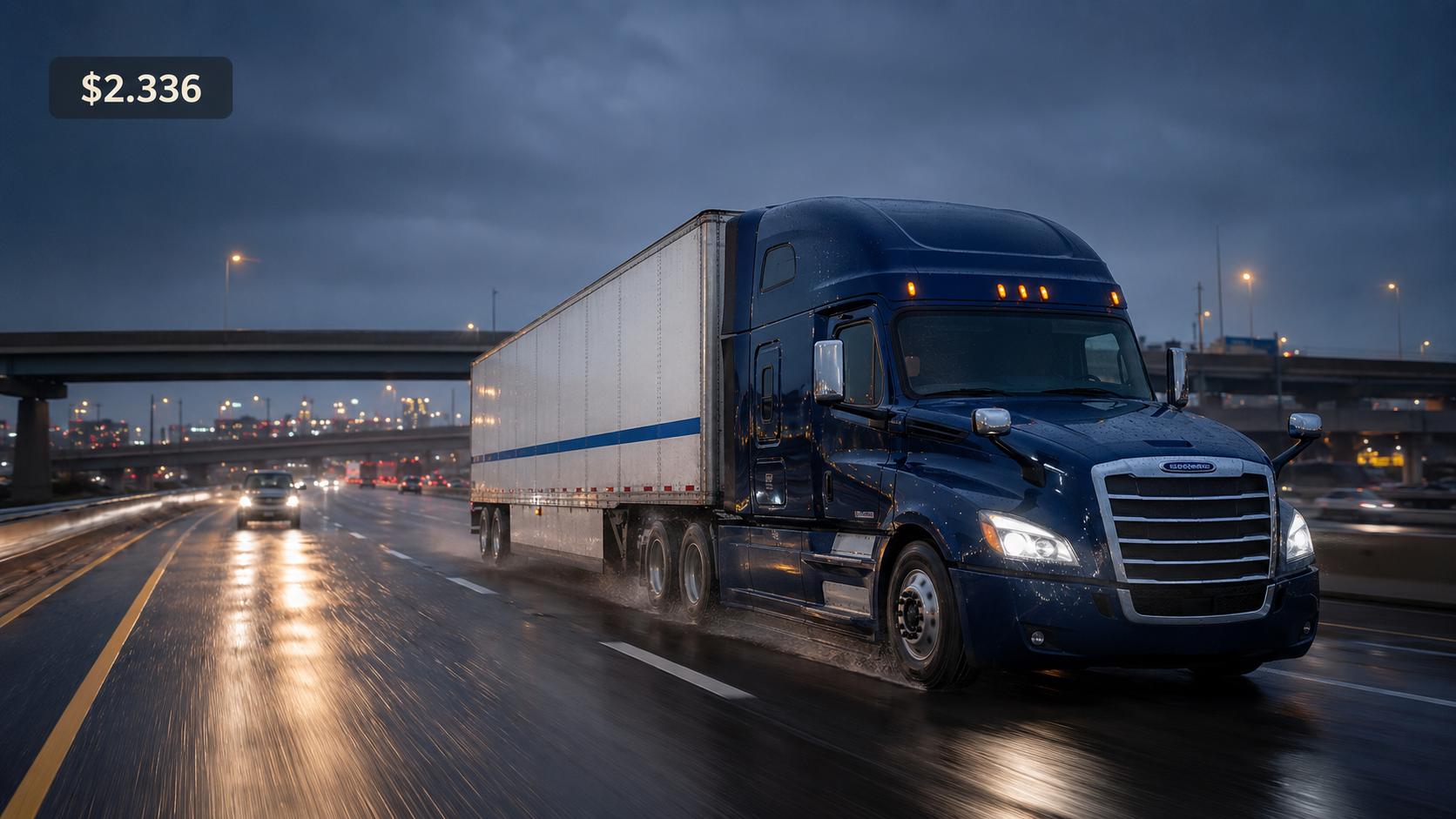
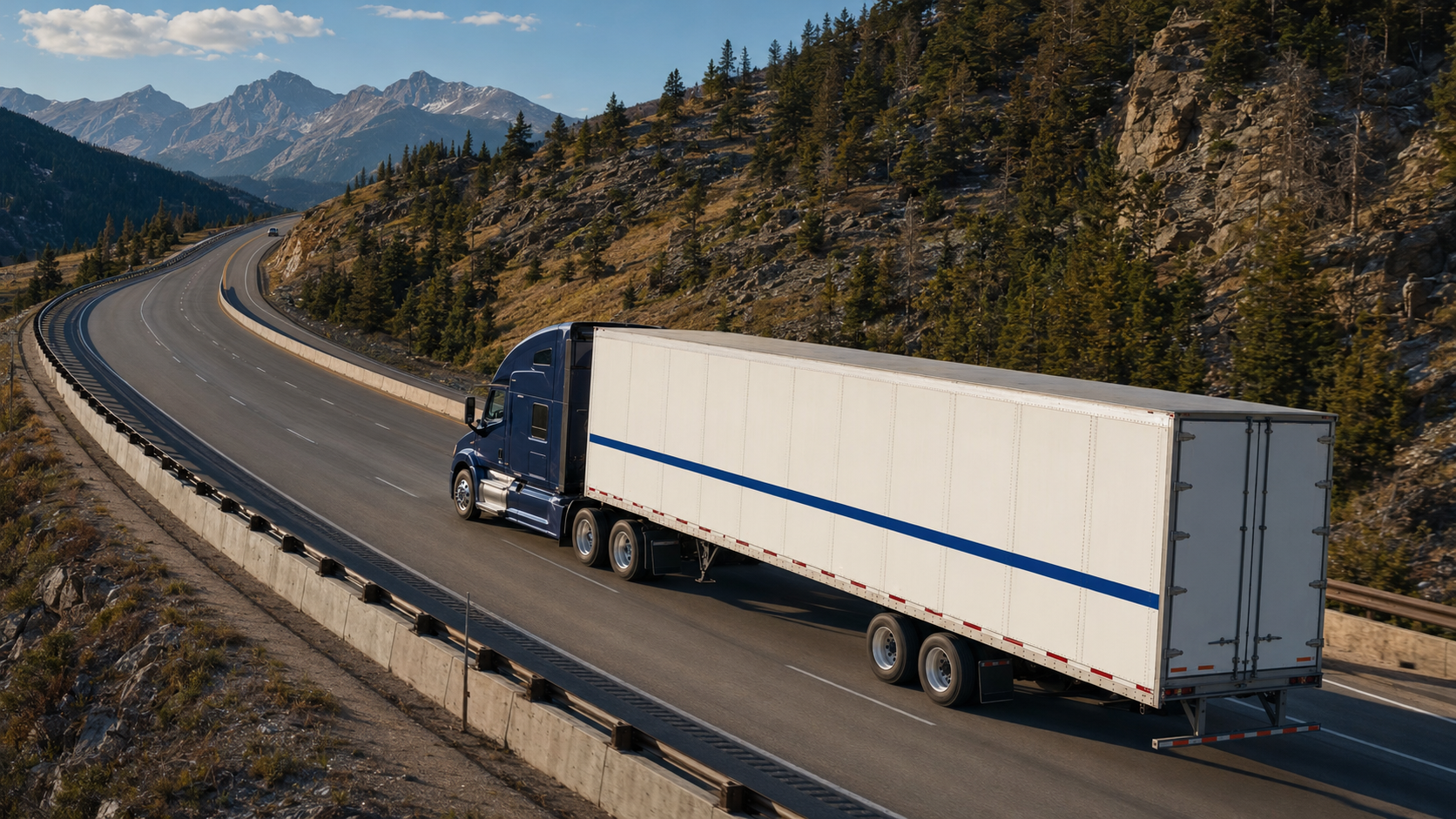
Autonomous trucking has moved past the “someday” stage.
In 2026, it’s no longer a question of if — it’s how fast and where it will scale.
But here’s the reality most people miss:
👉 Autonomous trucks are coming — just not everywhere, and not all at once.
Let’s break down what’s actually happening.
1. Autonomous Trucks Are Already Running — But in Limited Lanes
This isn’t theory anymore.
Companies are already operating autonomous trucks:
- On fixed routes (especially in Texas and the Southwest)
- Between distribution hubs
- In controlled environments
Some routes are already running hundreds of miles nonstop, outperforming human limits tied to Hours of Service.
But key detail:
👉 These are specific corridors, not nationwide OTR.
2. 2026 Is a Turning Point for Regulation
For years, the biggest barrier wasn’t technology — it was regulation.
Now that’s changing fast:
- The SELF DRIVE Act (2026) aims to create a national framework for autonomous trucking
- New federal standards are being developed for safety and deployment
- Policymakers are pushing for clear rules to scale the industry
Until now, trucking companies had to deal with a patchwork of state laws.
That’s what slowed everything down.
3. The First Real Use Case: Hub-to-Hub Freight
Autonomous trucking isn’t replacing OTR drivers overnight.
Instead, it’s focusing on:
👉 Highway, hub-to-hub operations
Example model:
- Autonomous truck runs highway miles
- Human driver handles pickup/delivery in cities
Why this works:
- Highways are predictable
- Fewer variables than urban driving
- Easier to scale safely
This hybrid model is the real near-term future.
4. Companies Are Scaling — But Carefully
Major players like Aurora and Kodiak are expanding:
- Planning hundreds of autonomous trucks by 2026
- Running commercial routes with real freight today
- Targeting thousands of trucks by 2027
At the same time:
- Safety drivers are still used in many cases
- Testing requirements are strict (hundreds of thousands of miles)
This isn’t a fast rollout — it’s a controlled one.
5. The Biggest Barrier Isn’t Tech — It’s Infrastructure + Law
Autonomous trucking faces real challenges:
Regulatory gaps
- Some rules still require human drivers (even outdated ones)
State-by-state differences
- Some states allow full deployment
- Others only allow testing
Liability questions
- Who’s responsible in an accident?
- Carrier? Manufacturer? Software provider?
Until these are fully solved, scaling will stay gradual.
6. What This Means for CDL-A Drivers
Let’s be direct:
👉 Autonomous trucks are not replacing drivers anytime soon.
Instead, they will:
- Change the type of driving
- Shift jobs toward local/regional roles
- Reduce long-haul monotony on certain lanes
Drivers will still be needed for:
- First/last mile
- Complex routes
- Customer interaction
- Oversight and support roles
Think evolution — not elimination.
7. The Real Impact: Efficiency, Not Replacement
Autonomous trucks can:
- Run longer hours
- Reduce idle time
- Improve fuel efficiency
- Stabilize capacity
This means:
- More predictable freight
- Lower costs over time
- Pressure on inefficient carriers
But also:
👉 More demand for skilled, adaptable drivers
8. Timeline Reality (Not Hype)
Here’s the honest timeline:
Now (2026):
- Limited commercial routes
- Heavy testing and regulation
- Hybrid operations
Next 3–5 years:
- Expansion on major corridors
- More hub-to-hub automation
- Better regulatory clarity
Long-term (10+ years):
- Broader adoption — but still not 100% autonomous nationwide
Anyone saying “drivers will disappear soon” is oversimplifying.
Final Thought
Autonomous trucking is not a distant dream.
But it’s also not a full replacement for OTR drivers.
It’s:
- A tool for efficiency
- A shift in operations
- A gradual evolution of the industry
The fleets that win will:
- Adapt early
- Integrate technology wisely
- Keep drivers at the center of operations
And for CDL-A drivers, the opportunity remains strong — especially for those who understand how the industry is changing.
The future isn’t driverless.
👉 It’s different.