The Evolution of ELD Regulations: What You Need to Know
Electronic Logging Devices (ELDs) changed trucking forever.
What started as a compliance requirement has evolved into a core operational system that affects miles, pay, dispatch efficiency, and driver lifestyle. For CDL-A OTR drivers and fleets alike, understanding how ELD regulations evolved — and what they actually mean today — is essential.
Here’s the clear, practical breakdown.
1. Why ELDs Were Introduced in the First Place
Before ELDs, paper logs ruled the road — and abuse was common.
The original goals of ELD regulations were to:
-
Improve road safety
-
Enforce Hours of Service (HOS) fairly
-
Reduce fatigue-related accidents
-
Create consistent enforcement
ELDs weren’t designed to punish drivers — they were designed to standardize the rules.
2. The Shift From Paper Logs to Digital Enforcement
The transition changed driver behavior overnight.
With ELDs:
-
Driving time became precise, not flexible
-
“Creative logging” disappeared
-
Dispatch planning became more critical
-
Time management became a skill — not a workaround
Drivers who adapted quickly gained an advantage.
Those who didn’t felt constantly rushed.
3. How ELDs Changed OTR Operations
ELDs didn’t just affect drivers — they reshaped fleets.
Operational changes included:
-
Tighter load planning
-
Less margin for error on appointment times
-
More emphasis on preplanning
-
Reduced tolerance for detention and delays
Good operations adapted. Poor operations blamed the clock.
4. The Real Impact on Driver Earnings
ELDs didn’t reduce earning potential — inefficiency did.
Drivers earning well under ELDs:
-
Manage clocks proactively
-
Avoid late-day pickups
-
Communicate early about delays
-
Run consistent lanes
High CPM means nothing if hours are wasted waiting.
ELDs reward discipline, not desperation.
5. Common Myths About ELDs
Let’s clear a few things up:
Myth: “ELDs killed trucking.”
Reality: Bad planning killed productivity.
Myth: “You can’t make money anymore.”
Reality: Top earners adapted their habits.
Myth: “It’s all about compliance.”
Reality: It’s about time optimization.
ELDs expose problems — they don’t create them.
6. Where ELD Regulations Stand Today
As of 2026, ELDs are:
-
Fully integrated into enforcement
-
Required for most OTR operations
-
Expected by insurers and shippers
-
A standard part of audits and safety reviews
There’s no rollback coming. The focus now is how well you operate within the system.
7. What Smart Drivers Do Differently
Professional CDL-A drivers:
-
Plan stops with clock impact in mind
-
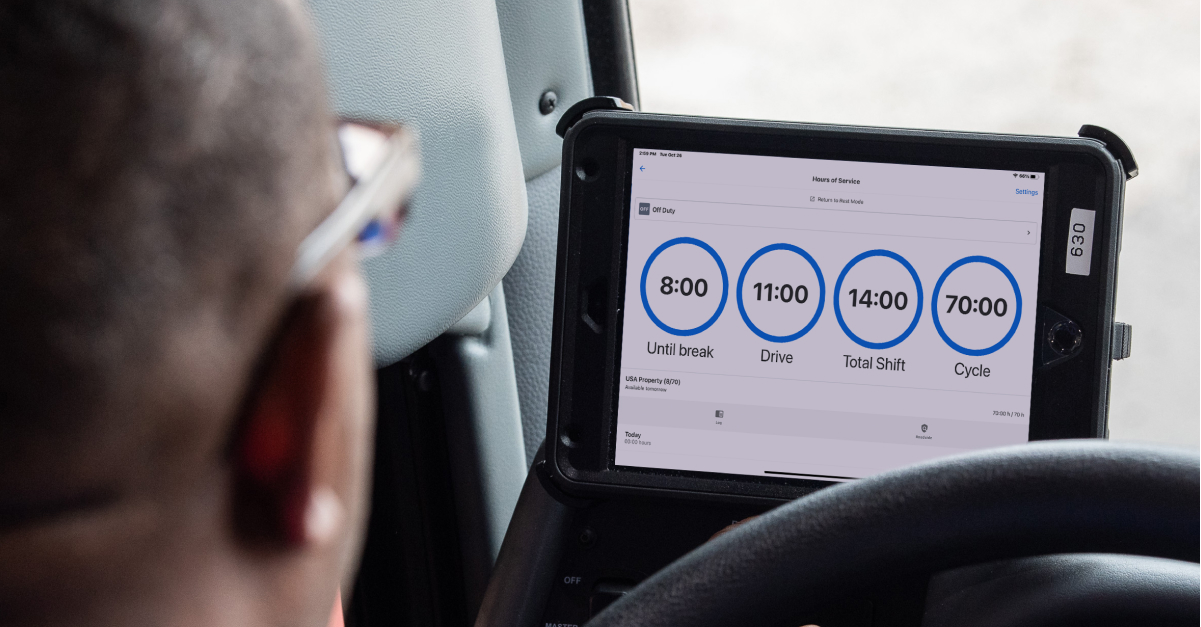
Protect 14-hour windows
-
Use split sleeper strategically
-
Communicate before clocks run out
-
Avoid “clock killers” like poor receivers
They treat time like fuel — limited and valuable.
8. What This Means for Recruiting and Retention
ELDs reward fleets that:
-
Respect driver time
-
Preplan loads realistically
-
Avoid last-minute changes
-
Run consistent freight
Drivers don’t leave because of ELDs.
They leave because fleets don’t operate well under them.
Final Thought
ELD regulations didn’t end flexibility — they ended guesswork.
In today’s market, success comes from:
-
Planning
-
Communication
-
Realistic expectations
-
Respect for time
For CDL-A OTR drivers, mastering ELDs is mastering your income.
For fleets, operating cleanly within ELD rules is the difference between retention and constant turnover.
The rules are here to stay.
The advantage belongs to those who understand them.