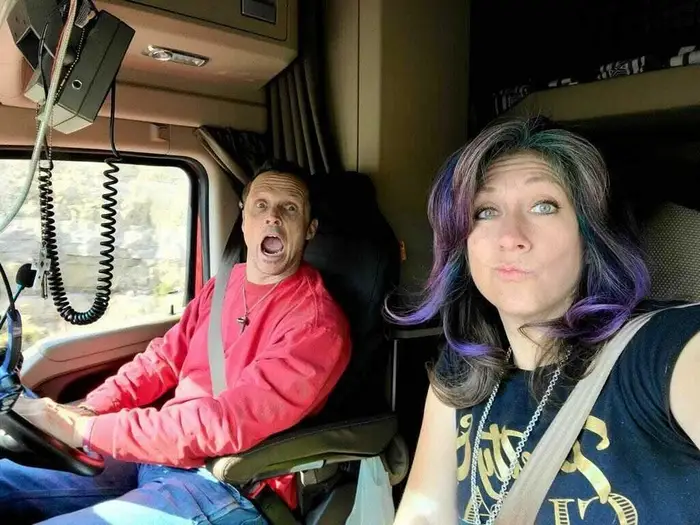
Is the Team Driving Lifestyle Right for You?
Team driving is often advertised as the fast lane to higher pay and quicker deliveries — but the reality is more nuanced.
For some CDL-A drivers, team driving is a career accelerator.
For others, it’s a recipe for burnout.
The key isn’t whether team driving pays more.
It’s whether the lifestyle fits you.
Here’s an honest breakdown to help you decide.
1. What Team Driving Really Is (Beyond the Ad)
At its core, team driving means:
-
Two drivers sharing one truck
-
One drives while the other rests
-
The truck keeps moving almost nonstop
This allows fleets to:
-
Cover long distances faster
-
Serve time-sensitive freight
-
Increase equipment utilization
For drivers, it can mean higher weekly checks — if the setup is right.
2. The Biggest Advantage: Higher Earning Potential
This is the main reason drivers consider team driving.
Benefits often include:
-
Higher CPM or team pay rates
-
More miles per week
-
Faster freight with premium lanes
-
Bonuses for critical loads
When both drivers are consistent and committed, team driving can significantly outperform solo OTR earnings.
3. The Hidden Cost: Shared Space and Schedules
The sleeper cab is small — and now it’s shared.
Team driving requires:
-
Comfort with limited personal space
-
Flexible sleep schedules
-
Respect for quiet time and routines
If you value complete independence, team driving can feel restrictive fast.
Drivers who succeed treat the cab like a shared workspace — not a personal domain.
4. Communication Makes or Breaks Teams
Great teams talk. Bad teams assume.
Successful team drivers:
-
Set clear expectations early
-
Discuss sleep, driving styles, and habits
-
Address issues immediately (not after weeks of frustration)
-
Respect each other’s off-duty time
Skill alone won’t save a team — communication will.
5. Who Team Driving Works Best For
Team driving tends to work best for drivers who:
-
Are patient and adaptable
-
Sleep well in moving trucks
-
Value income over solitude
-
Can compromise without resentment
-
Prefer fast-paced, long-haul operations
Common successful pairings:
-
Couples
-
Family members
-
Long-time friends
-
Professionally matched drivers with similar goals
6. Common Mistakes Drivers Make
Team driving fails when:
-
Drivers jump in only for the money
-
Expectations aren’t discussed upfront
-
One driver carries more workload
-
Sleep and fatigue are ignored
Money won’t fix lifestyle mismatch.
7. Equipment and Support Matter More in Teams
Team drivers need:
-
Reliable trucks (downtime hurts twice as much)
-
Proper sleeper setup
-
Strong dispatch communication
-
Realistic schedules
Without solid support, team driving becomes exhausting instead of profitable.
8. Team vs Solo: The Honest Trade-Off
| Team Driving | Solo Driving |
|---|---|
| Higher earning potential | More independence |
| Shared responsibility | Full control |
| Less downtime | More flexible routines |
| Requires compromise | Requires endurance |
Neither is “better” — only better for you.
Final Thought
Team driving isn’t a shortcut — it’s a different lifestyle.
When the fit is right, it can be one of the most profitable and efficient ways to run OTR.
When the fit is wrong, no amount of money makes it sustainable.
The smartest drivers don’t ask:
“How much does it pay?”
They ask:
“Can I live this way — consistently?”
And for fleets, well-structured team programs attract serious professionals — not just drivers chasing numbers.