America moves on trucks. Over 70% of all freight in the U.S. is delivered by commercial drivers — and every mile of that movement depends on the roads, bridges, terminals, and corridors those trucks travel through. For years, that infrastructure has been aging, underfunded, and struggling to keep pace with freight demand. That's starting to change.
In 2026, infrastructure investment is reshaping American logistics in real ways — and CDL-A OTR drivers are on the front lines of both the disruption and the opportunity.
The State of American Infrastructure — Where Things Stand
The numbers behind the problem are hard to ignore. According to the American Road and Transportation Builders Association, one in three of the nation's 623,000 bridges needs repair or replacement. More than 46,000 bridges are classified as structurally deficient, and nearly 42% of U.S. bridges are over 50 years old — approaching or exceeding their intended design life. Vehicles make 178 million daily trips over these structurally deficient bridges. National Association of Manufacturers
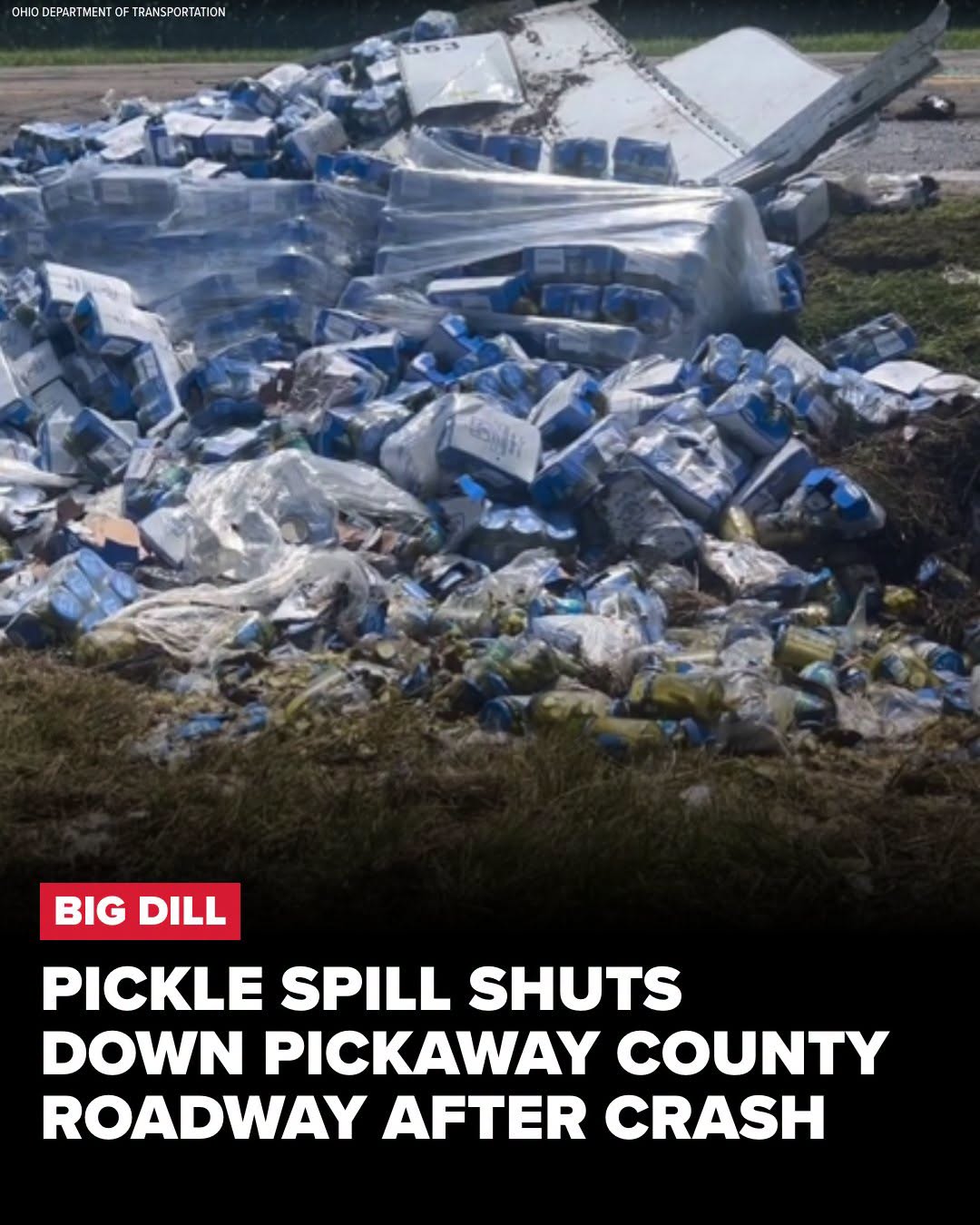
For truck drivers, that's not an abstract statistic. It's detours, weight restrictions, longer routes, and time ticking off your clock. Congestion and disrepair across the nation's roads, highways and bridges cost manufacturers and consumers billions of dollars every year — from delayed deliveries of inputs to manufacturers and finished goods to consumers, to traffic delays causing lost employee productivity. National Association of Manufacturers
The 2021 Infrastructure Investment and Jobs Act put serious federal money toward fixing this. The Act provided over $40 billion for bridge programs National Association of Manufacturers, and additional rounds of federal grant funding have continued flowing since. But the gap is still massive — it would cost over $400 billion to make all needed repairs to the nation's bridges alone National Association of Manufacturers, and Congress is being pushed to pass a robust surface transportation reauthorization in 2026 to build on that momentum.
What's Being Built Right Now
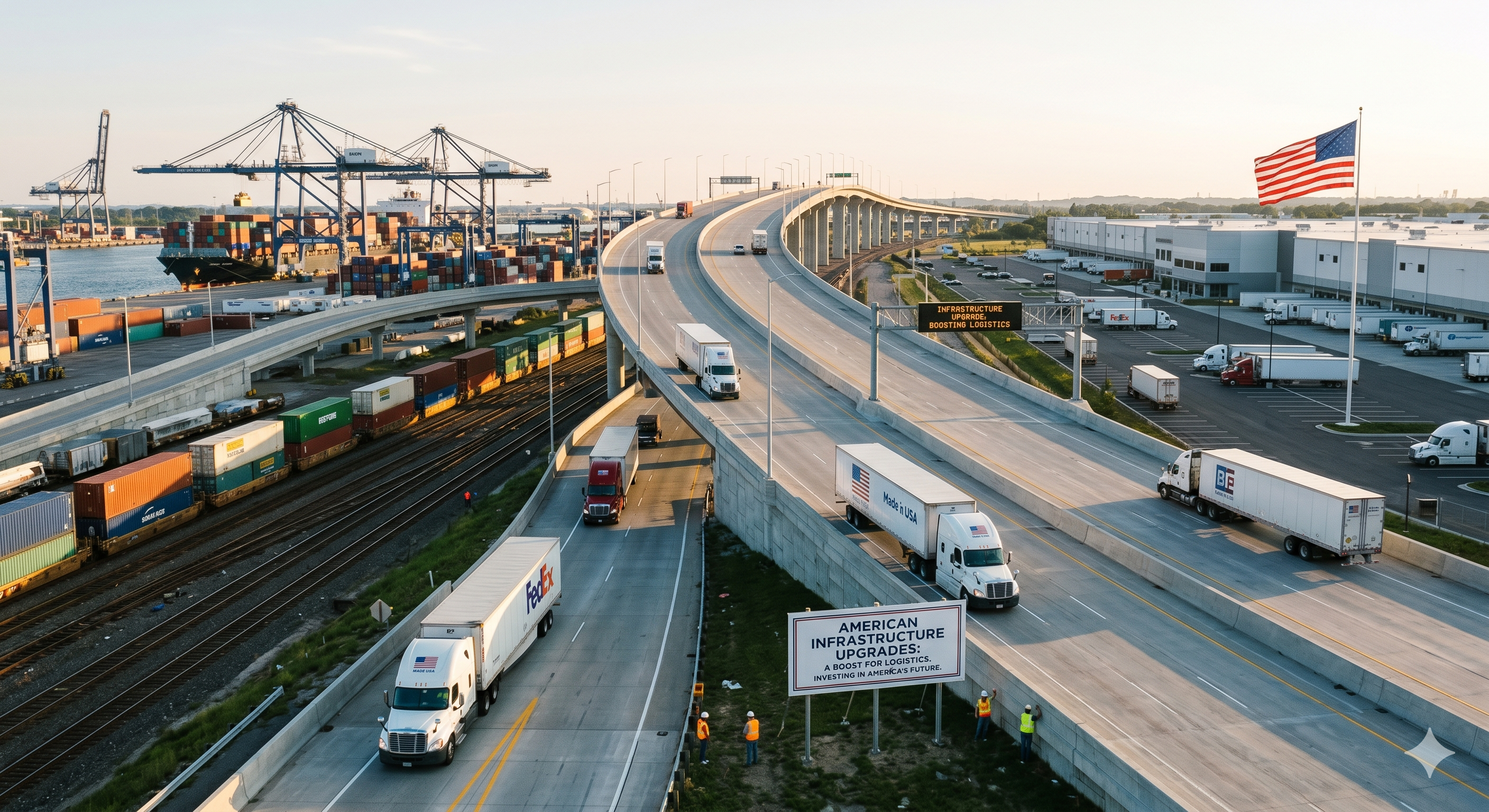
Infrastructure investment in 2026 isn't just about patching old bridges. New logistics infrastructure is being built from the ground up to support the freight volume modern supply chains demand.
Truck terminals and shared-use logistics hubs. One of the more notable developments is the emergence of a national network of shared-use truck terminals. Outpost, which is deploying $1 billion to expand its national network, framed the problem directly: air cargo has airports, intermodal has rail yards, ocean freight has ports — but trucking, which moves over 70% of U.S. freight annually, has no unified infrastructure to power the flow of goods across the country. TheTrucker.com New properties are being added across high-volume markets including Miami, California's Central Valley, and the Los Angeles/Long Beach port corridor.
Cross-border corridor improvements. Public and private investment has expanded ports of entry, enabled industrial park development, and improved roadways throughout North America — and these investments are starting to pay off, particularly along the U.S.-Mexico border where manufacturing growth and nearshoring are driving sustained demand along key north-south corridors. ProTrans For OTR drivers running Texas and the Southwest, this translates to more available freight on proven lanes.
Smart road technology. In Austin, the Texas Department of Transportation has partnered with a technology company to develop America's first autonomous trucking corridor, spanning 21 miles. This smart road will be fitted with sensors to monitor real-time traffic and road conditions, alerting connected vehicles to advisories and traffic incidents. Deloitte Insights It's early-stage, but it's a sign of where the infrastructure conversation is heading — roads that communicate with the trucks driving on them.
CDL and safety infrastructure. On the regulatory side, the DOT announced more than $118 million in grant funding through the FMCSA to strengthen CDL oversight, enforcement, and training Wsinc — a direct investment in the quality and accountability of the driver pipeline feeding American logistics.
The Short-Term Reality: Construction Creates Friction
Here's the honest part that doesn't always make it into the press releases: infrastructure projects create disruption before they create improvement.
As one freight market analyst put it, "Infrastructure upgrades ultimately improve reliability, but during construction phases they introduce temporary chokepoints — those disruptions can create unpredictable transit times if shippers aren't proactively routing freight around active projects." Wsinc
For OTR drivers, that means more orange barrels, more lane restrictions, and more route planning required on corridors that are under active construction. Knowing which major projects are affecting your regular lanes — and building extra time into your planning — is part of navigating the current environment.
The long game is better roads, higher weight limits, more modern terminals, and smoother freight flow. Getting there takes a few years of construction headaches first.
What It Means for CDL-A Drivers Specifically
Infrastructure investment changes the trucking landscape in a few concrete ways that matter to drivers:
More freight volume on improved corridors. Better roads attract more shippers and more consistent freight. Regions with new or upgraded infrastructure tend to see freight volume follow — which means more loads, more consistency, and stronger rates on those lanes.
Newer terminal infrastructure. Infrastructure gaps — particularly around charging, fueling, and maintenance facilities suited to newer powertrains — have been a real constraint for carriers trying to modernize their fleets. Mynatsa As terminal infrastructure catches up, drivers will have better facilities, better services, and fewer dead zones in their routes.
Tighter capacity on construction corridors. During active construction phases, familiar routes get harder to run on schedule. Drivers who plan ahead, communicate proactively with dispatch, and build flexibility into their HOS management will navigate this better than those running strictly by habit.
Long-term job security. Every dollar invested in U.S. logistics infrastructure is an implicit acknowledgment that freight movement is a core national priority — and that the country needs people behind the wheel to make it work. Manufacturers and industry groups are pushing Congress to reaffirm freight movement and economic development as national goals under the Federal-Aid Highway Program. National Association of Manufacturers That's good for drivers. A healthy infrastructure means a healthy freight market.
The Bigger Picture
The U.S. is in the middle of a multi-year infrastructure rebuild that will reshape the logistics landscape for the next generation. It won't happen overnight, and parts of it will be frustrating to drive through. But the direction is clear — more investment, better roads, smarter corridors, and a growing recognition that the people moving America's freight deserve the infrastructure to do it well.
If you're a CDL-A OTR driver, you're not just a beneficiary of that investment. You're the reason it's being made.
At OTR Express Group, we connect experienced CDL-A drivers with carriers running strong lanes on the corridors that matter. If you're ready for consistent miles with a carrier that's positioned for the long haul — reach out today.
OTR Express Group | CDL-A OTR Driver Recruiting