Electric Trucks: Practical Reality or Distant Dream?
Electric trucks have been “the future” of trucking for years.
In 2026, the question has shifted from if to how far they can realistically go.
The answer isn’t hype or fear — it’s nuance.
Electric trucks are real. They’re operating today.
But they are not a universal replacement for diesel, especially in long-haul OTR.
Here’s the honest state of play.
1. Electric Trucks Are Already Working — In the Right Use Cases
Electric trucks are proving themselves in specific, controlled environments:
-
Short-haul and regional routes
-
Port drayage
-
Dedicated urban and suburban lanes
-
Fixed return-to-base operations
In these scenarios, predictable mileage and charging access make electrification practical and cost-effective.
This is not theory — fleets are running them successfully right now.
2. Long-Haul OTR Is a Different Beast
OTR trucking presents challenges electric trucks haven’t solved at scale yet:
-
Long distances without guaranteed charging
-
Tight delivery windows
-
Payload sensitivity due to battery weight
-
Weather impact on range
-
Charging downtime vs diesel refueling speed
For drivers running 2,500–3,500 miles per week across multiple states, diesel still wins on flexibility.
In 2026, electric trucks are not built for full nationwide OTR operations — and pretending otherwise hurts credibility.
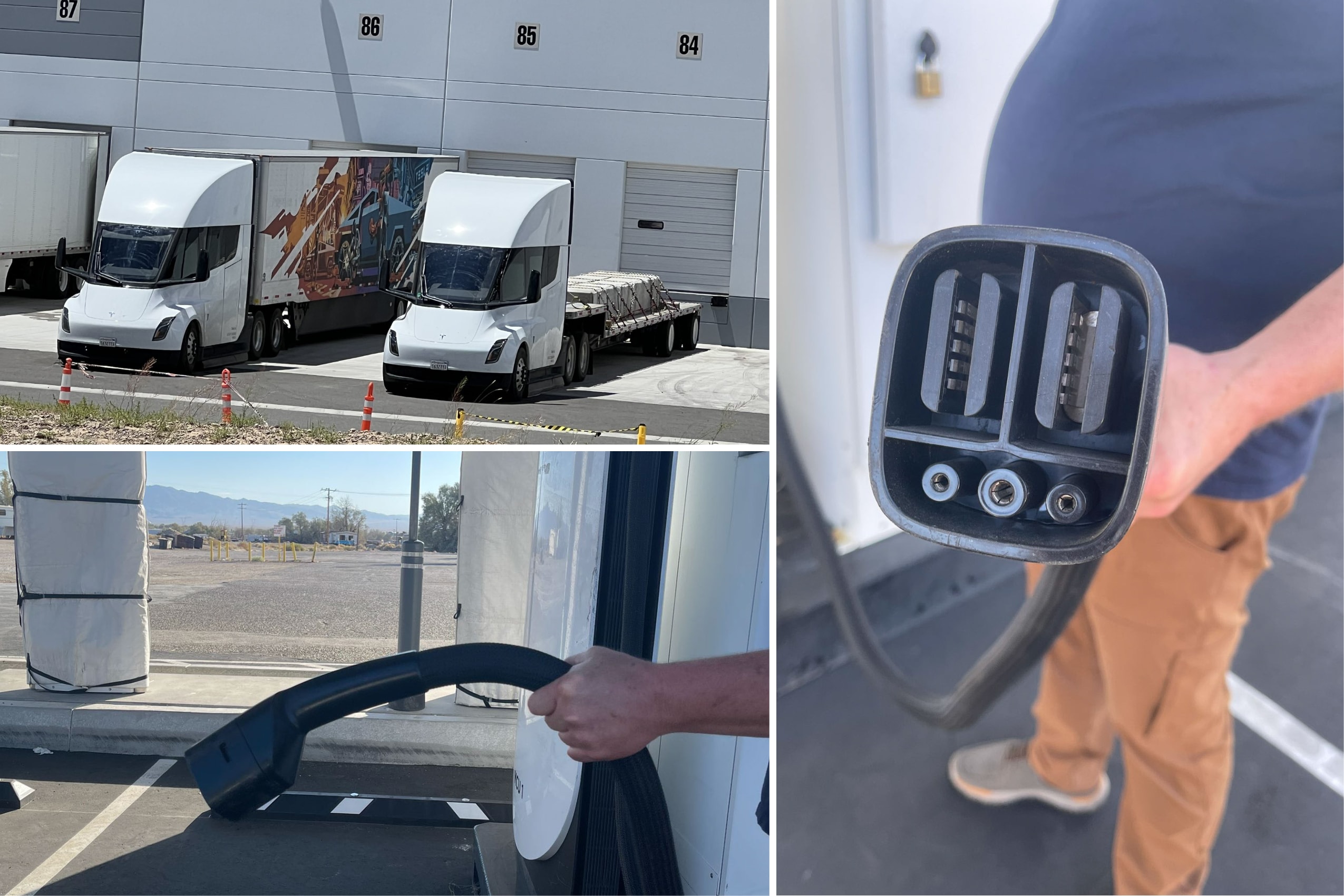
3. Charging Infrastructure Is the Real Bottleneck
The biggest limitation isn’t the truck — it’s the ecosystem.
Current challenges include:
-
Limited high-capacity charging locations
-
Long charging times compared to fueling
-
Grid constraints in rural areas
-
Inconsistent standards across regions
Until charging becomes as reliable and accessible as diesel fuel, electric trucks remain lane-dependent, not universal.
4. Total Cost of Ownership Is Improving — Slowly
Electric trucks offer advantages:
-
Lower fuel costs
-
Reduced maintenance
-
Fewer moving parts
But they also bring:
-
Higher upfront purchase prices
-
Infrastructure investment
-
Operational constraints
-
Uncertain resale value
For the right fleet, the math can work.
For most OTR operators, it still doesn’t — yet.
5. What This Means for Drivers
CDL-A drivers are asking practical questions:
-
Will I lose miles?
-
How does charging affect my schedule?
-
What happens in breakdowns?
-
Will pay change?
In 2026, electric trucks are not replacing drivers — they’re changing the type of driving in certain segments.
Drivers who value predictability and home time may see more electric opportunities.
OTR drivers chasing miles and flexibility will remain diesel-focused for the foreseeable future.
6. The Hybrid Future Is the Real Answer
The most realistic outcome isn’t all-electric — it’s mixed fleets:
-
Electric for short and regional lanes
-
Diesel for long-haul OTR
-
Gradual transition as infrastructure improves
This approach protects operations, drivers, and profitability.
Extreme positions on either side miss the point.
Final Thought
Electric trucks are neither a fantasy nor a silver bullet.
In 2026, they are:
-
A practical solution for specific lanes
-
A long-term investment, not a quick switch
-
An operational decision, not a marketing slogan
The fleets that win will be the ones who adopt technology where it makes sense, not where it sounds good.
And for CDL-A drivers, clarity matters more than buzzwords — whether the truck is electric or diesel, what matters is miles, pay, and reliability.